


2025
From D2C to B2B: When It’s Time to Graduate to a 3PL Fulfillment Network
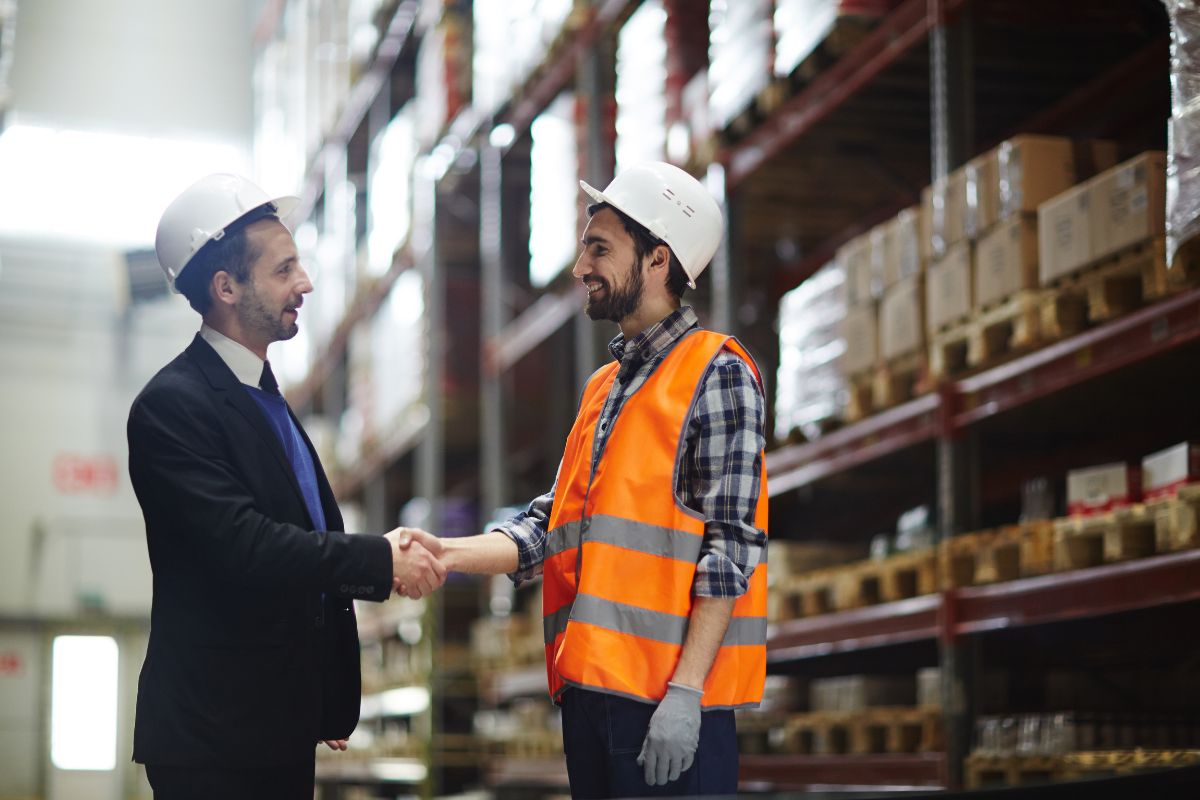
Every successful e-commerce story usually starts the same way. It begins with a handful of orders, a stack of boxes in a spare bedroom, and a few frantic trips to the local Canada Post office. For a direct-to-consumer (D2C) brand, this "hustle" phase is a rite of passage. It allows you to touch every product, write every thank-you note, and understand your customer base intimately.
However, as your brand gains traction across the Lower Mainland and beyond, the very tasks that built your business start to hold it back.
The transition from a home-grown D2C operation to a sophisticated business-to-business (B2B) player is a massive milestone. It signifies that your volume has outgrown your physical space and your manual bandwidth.
Recognizing the Signs That Your Current Setup is Breaking
Success often brings a specific type of chaos. The first sign that it is time to move to a professional fulfillment network is when your error rate starts to climb. When you are self-fulfilling, a 5% error rate might seem manageable, but as you scale from 10 orders a day to 100, those mistakes become a customer service nightmare.
Another tell-tale sign is the "inventory plateau." If you find that you cannot launch new products because you literally have nowhere to put them, your growth is being artificially capped by your square footage. Vancouver business owners often face the reality that residential spaces and small storage lockers simply aren't designed for efficient pallet movement.
If you are hand-bombing boxes out of a basement in Kitsilano, you aren't ready for a B2B truck pickup.
The Operational Leap from Individual Packages to Palletized Freight
The jump from D2C to B2B is not just about quantity; it is about complexity. In a D2C model, you are shipping small parcels to individuals.
The process is relatively straightforward. B2B fulfillment, however, requires a completely different logistical language. You are no longer dealing with poly-mailers; you are dealing with pallets, Bill of Ladings (BOLs), and Advanced Shipping Notices (ASNs).
A professional 3PL network in the Vancouver area acts as your operational translator. They understand how to prep your goods for the major distribution centers in the Fraser Valley. They have the loading docks, the forklifts, and the staff trained in heavy-duty palletization. Plus, they also assist with tasks such as:
- Compliance Labeling: Ensuring every carton and pallet meets the exact barcode and placement specifications of big-box retailers.
- Freight Coordination: Managing the scheduling of Less-Than-Truckload (LTL) or Full-Truckload (FTL) carriers to ensure timely delivery.
- Cross-Docking: Quickly moving inventory from an inbound container from the Port of Vancouver directly onto an outbound truck for a retail partner.
By outsourcing these technical tasks, you ensure that your brand looks as professional as a multinational corporation, even if you are still a small team. This level of operational excellence is what builds trust with retail buyers and keeps your products on the shelves.
Leveraging Strategic Geography to Win the Last Mile
When you graduate to a 3PL, you aren't just getting storage; you are getting a faster "last mile." For your D2C customers in North Vancouver or Burnaby, this means same-day or next-day delivery potential. For your B2B partners, it means your goods can be pulled from the port and ready for distribution within 24 to 48 hours. This agility is what allows local brands to compete with global giants.
Using a local 3PL also means you can physically visit the warehouse. For many founders, being able to drive out to Annacis Island or Richmond to see their product being packed provides a level of peace of mind that a remote, giant warehouse in another province simply cannot offer.
Tech-Driven Growth and the Power of Integrated Systems
The most overlooked benefit of moving to a 3PL is the technology upgrade. Most D2C startups use basic Shopify or Amazon integrations. While these are great for starting out, they often fail to provide the deep data needed for B2B inventory management. A professional fulfillment network uses a Warehouse Management System (WMS) that integrates directly with your sales channels and your retailers' Electronic Data Interchange (EDI) systems.
This "tech stack" provides real-time visibility into your stock levels. You will know exactly when you are running low on a specific SKU before it becomes an "out of stock" disaster. It also automates the boring stuff. When a B2B order comes in, the system automatically generates the picklist, the packing slip, and the shipping labels. No more manual data entry or copy-pasting addresses into a shipping portal. Some of the benefits of this tech stack include:
- Accurate Forecasting: Use historical data to know when to ramp up production for the busy BC summer season or the winter holidays.
- Returns Management: A professional 3PL handles the "reverse logistics," processing returns quickly so that items can be put back into inventory.
- Transparent Reporting: Access dashboards that show your shipping costs, fulfillment speed, and inventory turnover at a glance.
This digital foundation is what allows your business to scale without adding more administrative staff. You are paying for a system that is designed to handle ten times your current volume, giving you the "headroom" to dream bigger and sign larger contracts.
Solidifying Your Brand’s Future in the Retail Landscape
Transitioning from a home-based D2C operation to a professional 3PL fulfillment network is the ultimate "graduation" for a product-based business. It is the moment you stop working in your business and start working on your business. By offloading the physical heavy lifting to experts, you free up your mental energy to focus on what actually grows your bottom line: brand building, product innovation, and sales.
The Vancouver market is a gateway to the rest of Canada and the international stage. Having a professional logistics partner in this region gives you the credibility and the infrastructure to say "yes" to any opportunity that comes your way. Whether it’s a surprise viral hit on social media that triples your D2C orders overnight, or a major contract with a national retailer, a 3PL ensures your fulfillment engine won't stall out.
Based in Vancouver, British Columbia, Canada, 18 Wheels relies on experience and integrity to make customers happy and remain on the cutting edge of shipping and logistics management.
If you have any questions about this article or you would like to talk to us about your shipping needs, please call us at (604) 439-8938.

