


2026
The Role of Cold Chain Warehousing in Protecting BC's Food Safety
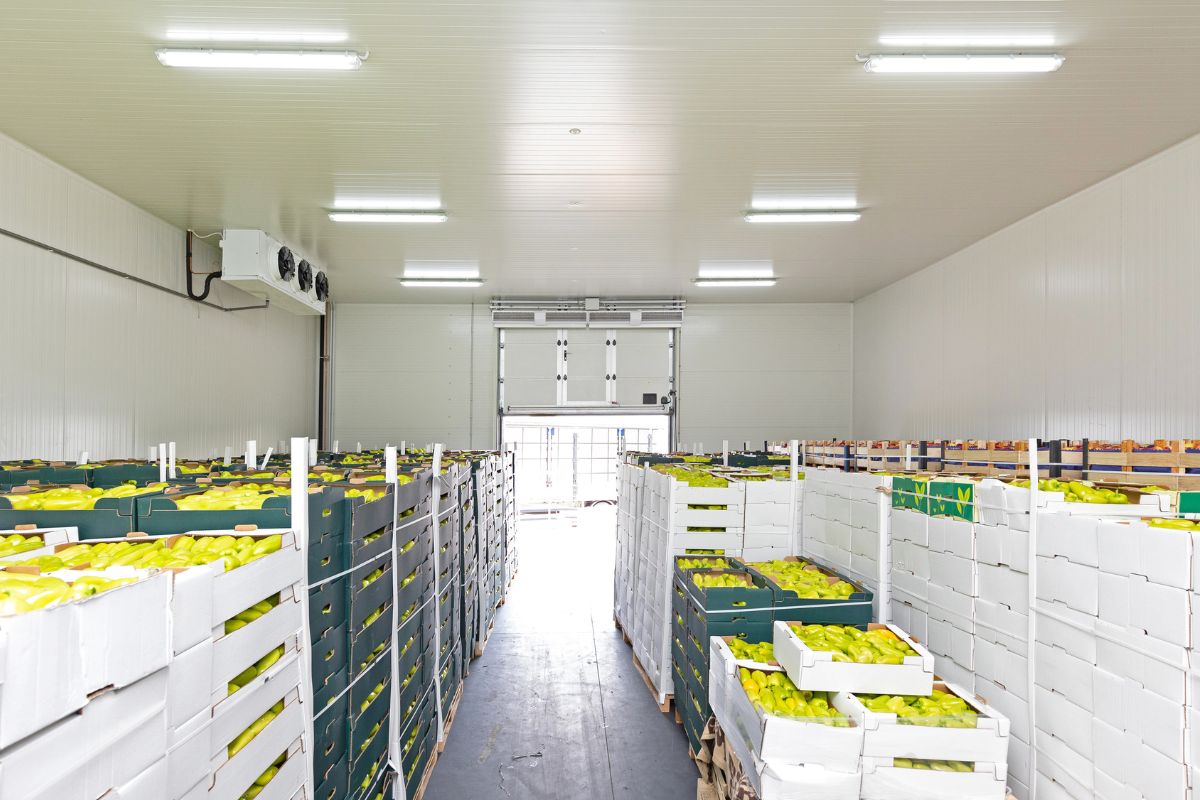
British Columbia's food industry is one of the most dynamic in Canada. From the salmon farms of the Pacific Coast to the berry fields of the Fraser Valley and the thriving craft beverage scene in Vancouver, BC produces and distributes an enormous volume of perishable goods every single day.
Keeping all of that food safe, from the moment it leaves the farm or factory to the moment it reaches a consumer's plate, depends on one critical system: the cold chain.
Cold chain warehousing is not just about keeping things cold. It is a precisely managed, end-to-end process that protects the quality, safety, and regulatory compliance of perishable products throughout storage and distribution. When it works, consumers never think about it. When it fails, the results can be catastrophic for public health, for businesses, and for the brands involved.
What Is the Cold Chain, and Why Does It Matter in BC?
The cold chain refers to the unbroken series of temperature-controlled environments that perishable goods travel through, from production to consumption. Every link in that chain from the refrigerated warehouse, the reefer trailer, to the loading dock must maintain the correct temperature range for the specific product being handled.
In British Columbia, the stakes are particularly high. The province's Food Premises Regulation mandates that potentially hazardous food must be stored or displayed at no more than 4°C, and that frozen food must be kept at -18°C or below.
BC's geography adds another layer of complexity. Food produced in the Okanagan or on Vancouver Island must travel significant distances to reach Metro Vancouver's distribution network, and from there, potentially across the country. Each leg of that journey is a potential point of failure if the cold chain is not properly managed.
The Real Cost of a Broken Cold Chain
It is easy to underestimate how quickly temperature abuse can compromise food safety. Consider what happens with just a few degrees of deviation:
- Seafood held at 5°C instead of the required 2°C can spoil nearly twice as fast
- Dairy products stored slightly above 4°C lose shelf life rapidly and can develop dangerous bacterial growth
- Fresh produce like leafy greens held at 7°C instead of 2°C will wilt, lose moisture, and become unsafe far sooner than expected
- Frozen goods that partially thaw and refreeze develop ice crystals that damage texture and create conditions for microbial growth
Beyond the immediate product loss, the downstream consequences are severe. A food recall in Canada costs an average of $10 million in direct costs alone, not counting brand damage, lost retail relationships, and regulatory penalties. For smaller BC food businesses, a single recall event can be existential.
That is why professional food grade warehousing is not a luxury — it is a fundamental requirement for any business handling perishable goods.
How Cold Chain Warehousing Protects BC's Food Supply
Modern cold chain warehousing goes far beyond simply keeping a room cold. A properly equipped and certified 3PL facility provides multiple layers of protection that work together to maintain food safety at every stage.
Precision Temperature Monitoring
Today's food-grade warehouses use IoT-enabled sensors that continuously record temperature, humidity, and environmental conditions throughout the facility. These systems generate automated alerts the moment conditions shift outside of acceptable parameters — long before a human inspector would notice a problem. Unlike periodic manual checks, continuous monitoring captures every fluctuation and creates a detailed compliance record that can be produced during regulatory audits or insurance claims.
Multiple Temperature Zones
Not all perishable goods require the same storage conditions. A single facility that handles both fresh produce and frozen seafood must maintain distinct temperature zones, each calibrated to the specific requirements of the products stored within it. At 18 Wheels Warehousing & Trucking, our facilities offer a range of temperature-controlled storage options, accommodating everything from chilled beverages to deep-frozen goods — all under one roof.
HACCP and SQF Certification
Certifications matter. HACCP (Hazard Analysis and Critical Control Points) is a systematic, science-based approach to identifying and controlling biological, chemical, and physical hazards in food production and storage. SQF (Safe Quality Food) certification is a globally recognized food safety and quality program that demonstrates a facility meets the highest standards of food safety management.
At 18 Wheels, all of our Canadian facilities are both HACCP and SQF certified. This means our processes have been independently audited and verified — giving our clients, and their retail partners, confidence that every product stored with us is handled according to the strictest food safety protocols.
Full-Time Quality Assurance
Certifications are only as good as the people behind them. Our Vancouver facilities have a full-time QA professional on-site, ensuring that hygiene standards, temperature protocols, and sanitation procedures are maintained consistently — not just during audits, but every single day.
Cold Chain Integrity During Transportation
A warehouse that maintains perfect temperature control means very little if the cold chain breaks down the moment a product leaves the dock. Maintaining integrity during transit is just as critical as maintaining it in storage.
Our transportation services include a fleet of temperature-controlled reefer trailers equipped with advanced monitoring systems. Whether a shipment requires Full Truckload (FTL) for large volumes or Less Than Truckload (LTL) for smaller consignments, every load is tracked and monitored from departure to delivery. We also offer complete traceability throughout the delivery process, so clients always know exactly where their product is and what conditions it has been exposed to.
This is especially important for BC's thriving beverage storage and distribution sector. Craft beer, wine, kombucha, and ready-to-drink beverages are all highly sensitive to temperature fluctuation. A shipment that warms up in transit — even briefly — can suffer changes in taste, carbonation, and shelf life that are impossible to reverse.
Repacking and Value-Added Services Within the Cold Chain
One often-overlooked risk in food logistics is the moment when products leave a temperature-controlled environment for secondary processing. Many businesses make the mistake of moving goods to a separate, ambient-temperature facility for repacking or relabelling — inadvertently breaking the cold chain in the process.
A full-service 3PL provider eliminates this risk entirely. Our repacking services — including bundle wrapping, multipacks, and print-register film packaging — are performed within our temperature-controlled facilities. Products never need to leave the cold environment for secondary processing, ensuring that cold chain integrity is maintained from receipt all the way through to final shipment.
This approach is particularly valuable for businesses supplying major retailers. Chains like Costco, Walmart, and Sobeys have strict vendor compliance requirements around packaging and food safety. Handling repacking in-house, within a certified cold chain environment, makes meeting those requirements significantly more straightforward.
What to Look for in a Cold Chain Warehousing Partner
Not all 3PL providers are equal when it comes to food safety. If you are evaluating cold chain warehousing options in BC, here are the key criteria to assess:
| Criteria | Why It Matters |
|---|---|
| HACCP and SQF Certification | Confirms that food safety management systems have been independently audited |
| Continuous Temperature Monitoring | Ensures real-time visibility and automated alerts for any deviations |
| Multiple Temperature Zones | Allows storage of diverse product types under one roof |
| Full-Time QA Personnel | Guarantees consistent enforcement of hygiene and safety protocols |
| Temperature-Controlled Transportation | Maintains cold chain integrity from warehouse to final delivery |
| Repacking Capabilities On-Site | Eliminates the risk of breaking the cold chain during secondary processing |
| Traceability Systems | Provides end-to-end documentation for regulatory compliance and recall management |
With over 36 years in business and 1.2 million square feet of warehouse space across Canada, 18 Wheels Warehousing & Trucking brings the experience, infrastructure, and certifications to meet all of these criteria.
BC's Food Safety Future Depends on Strong Cold Chain Infrastructure
British Columbia's food industry is growing. The province's agrifood sector continues to expand, and consumer expectations around food safety have never been higher. At the same time, climate-related disruptions — from extreme heat events to flooding — are creating new vulnerabilities in supply chains that rely on consistent temperature control.
Investing in robust cold chain warehousing is not just about meeting today's regulatory requirements. It is about building the resilience and reliability that BC's food industry will need to thrive in the years ahead. Businesses that partner with certified, experienced 3PL providers are better positioned to handle disruptions, protect their products, and maintain the trust of their retail partners and consumers.
The cold chain is invisible when it works. Make sure yours never breaks.
Partner with 18 Wheels for Cold Chain Warehousing in Vancouver
At 18 Wheels Warehousing & Trucking, we understand that protecting BC's food safety is a responsibility we take seriously. Our HACCP and SQF certified facilities, temperature-controlled transportation fleet, and experienced QA team work together to ensure your perishable products are protected at every stage of the supply chain.
Whether you need cold storage for fresh produce, frozen goods, beverages, or dairy products, we have the infrastructure and expertise to keep your products safe and your business compliant.
Request a quote today and find out how our Vancouver 3PL services can protect your products — and your reputation.

